PT485 Portrait Painting: Lessons from the Masters Simplified with Anders Fernbach
October 26 @ 6:00 pm – 9:00 pm
All levels welcome!
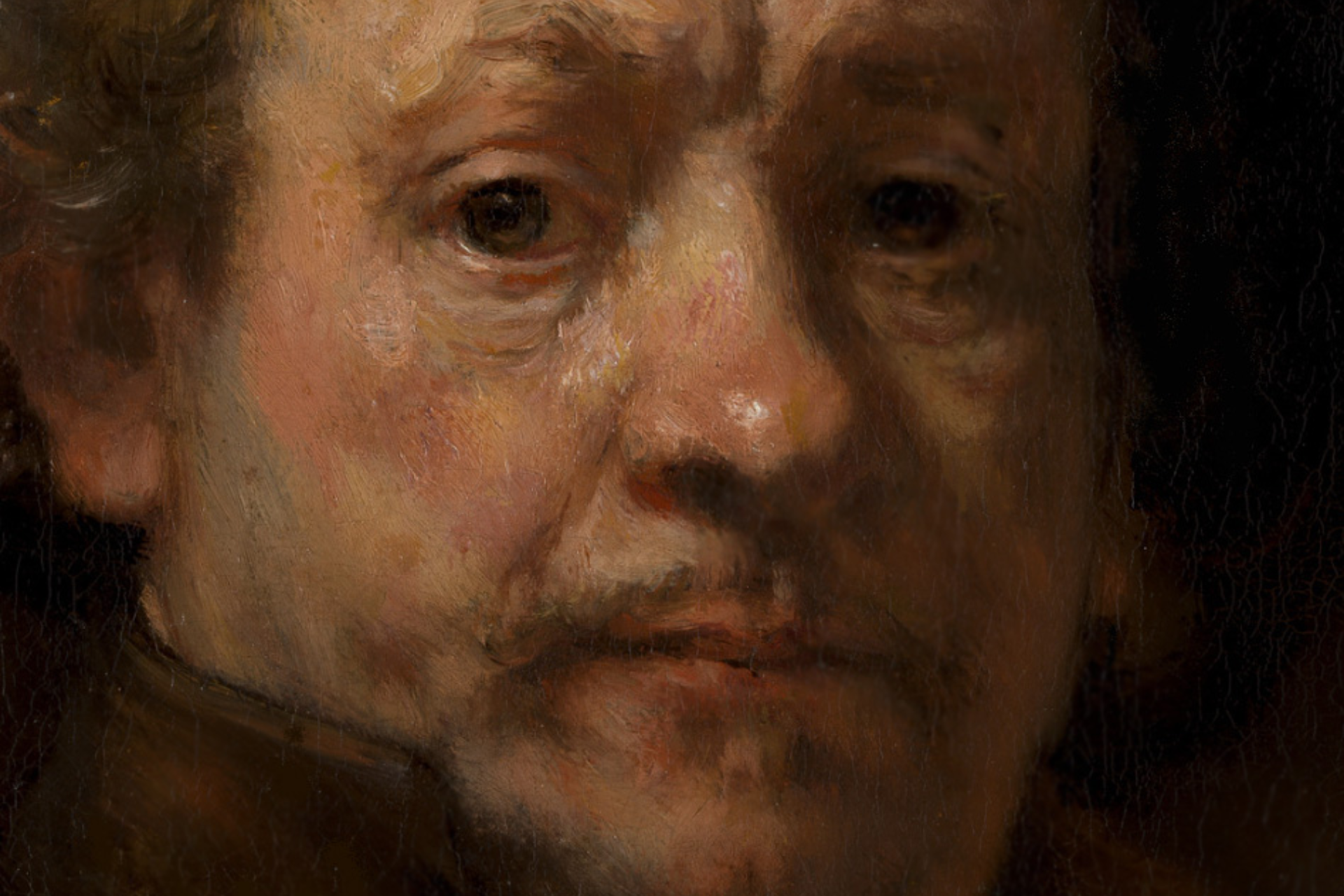
This course is designed to help students of all levels develop strategies to strengthen the gesture, proportion, perspective, and color in their portrait paintings by the time-honored tradition of making master copies. Students will be working from high quality 2D reproductions in this course as a matter of convenience, but all principles can be applied to painting from a live model. We will explore different choices of palettes and techniques dependent upon the student’s experience level, and their artists of choice. There will be broad information shared with the entire class that will apply to all, and from there the instruction will be tailored to the individual students’ needs. This course is for all levels of experience, you don’t have to be a master yourself to learn from the masters!
Click Here for Supply List
This list is the minimum, more colors can be collected over time. Most brands
have “artist quality” paints, and “student grade” versions. Get the artist quality if
you’re able, but student grade will suffice in the short term. Student grade paints
have more fillers, where artist grade is mostly pigment and linseed oil.
Examples:
Gamblin artist paints 1980 is their student grade line
Windsor & Newton artist paints Winton is their student grade line
Oil Paints
Titanium white 150ml
Flake white (optional)
Ivory black 37ml
Ultramarine blue 37 ml
Pthalo blue 37ml
Transparent Red Iron Oxide, or Transparent Earth Red (PR101)
Cadmium red light 37ml
Permanent or Alizarin crimson 37ml
Cadmium yellow light 37ml
Cadmium yellow medium 37ml
Yellow ochre 37 ml
Raw umber 37ml
Cadmium Orange (single pigment preferred) 37 ml
Sap green 37ml
Tere Vert 37 ml (optional)
Medium
Small container of linseed oil
Container of odorless mineral spirits (Gamsol 16.9 oz or larger) and air-tight jar. Recommended optional-Alkyd medium like Galkyd or Liquin for faster drying time and more transparenc
Brushes
You will need a variety of sizes to begin with. I recommend coming to class with 3 sizes of round brushes. We can discuss brushes more during class, and you can decide for yourself what you prefer. Like paint tubes, it takes time to build a collection of brushes, and there is no need to try to get them all at one time.
Surfaces
18×24 inch illustration board if you wish to complete a color wheel and charts
canvas or gessoed panel (your choice of size, but larger is often less difficult) I
recommend 16×20 to begin with
You will need more surfaces as the weeks progress, but this will suffice to start. Depending upon your images, you may opt for a different size or proportions.
Other
Palette knife (diamond shape head preferred)
Sketchbook, or notepad for note taking, and storing hand-outs
18” metal ruler
Jack Richeson grey paper palette pad 12×16
A stiff surface like foam board to tape palette paper to during use
Gesso (acrylic polymer ground) if you wish to prepare surfaces like wood, paper,
or to add stability to commercially pre-gessoed canvas
Paper towels, or blue shop rags
Cotton cloth rags. Old T-shirts work very well